
Defense communication is entering a new era — and the demand for serious, technically credible visual content has never been higher.
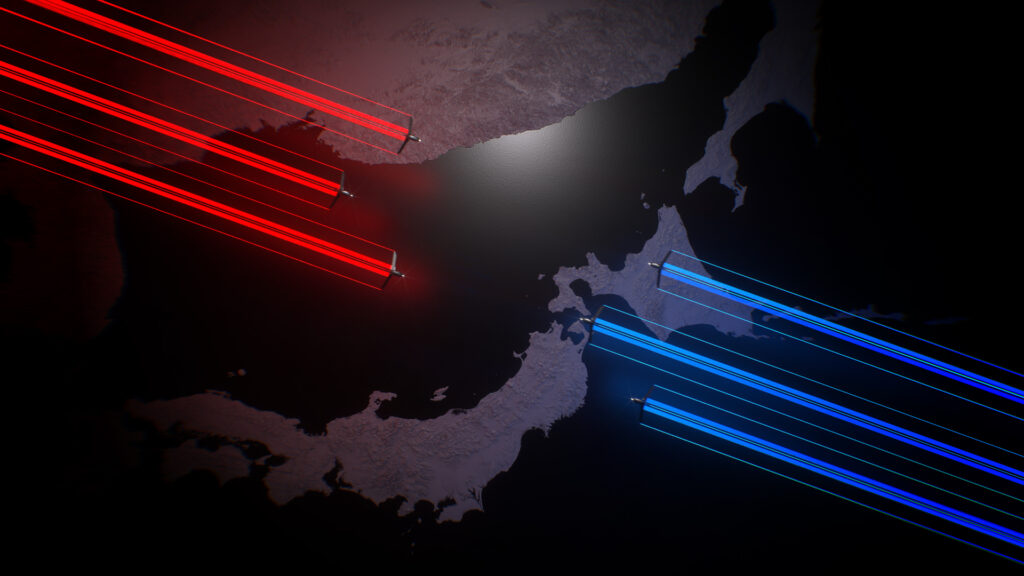
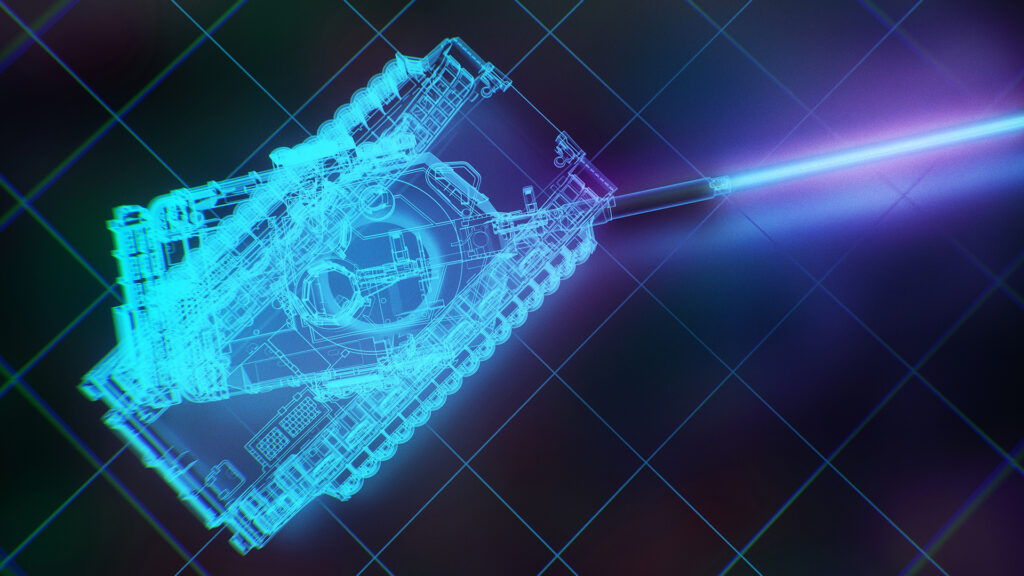
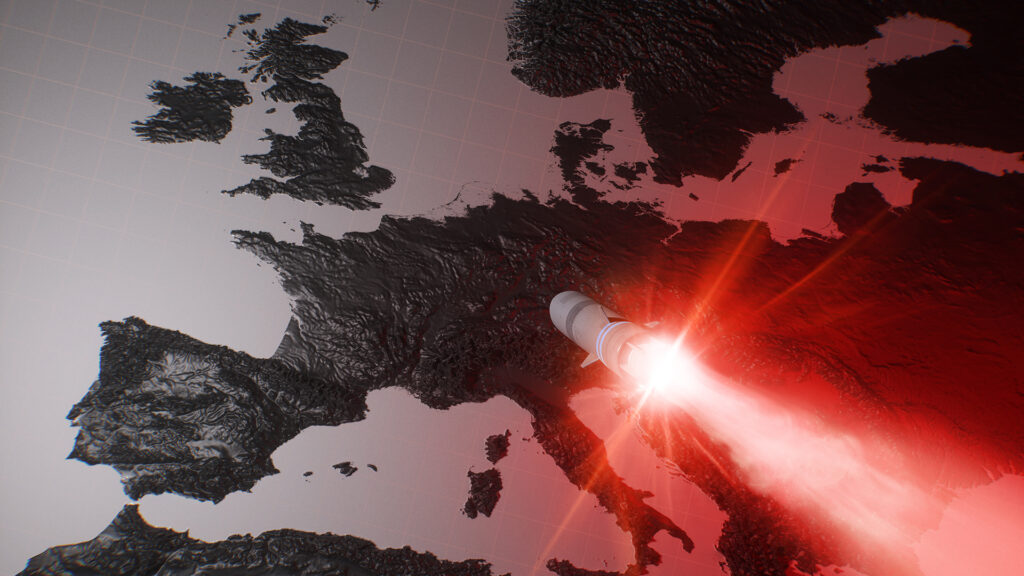
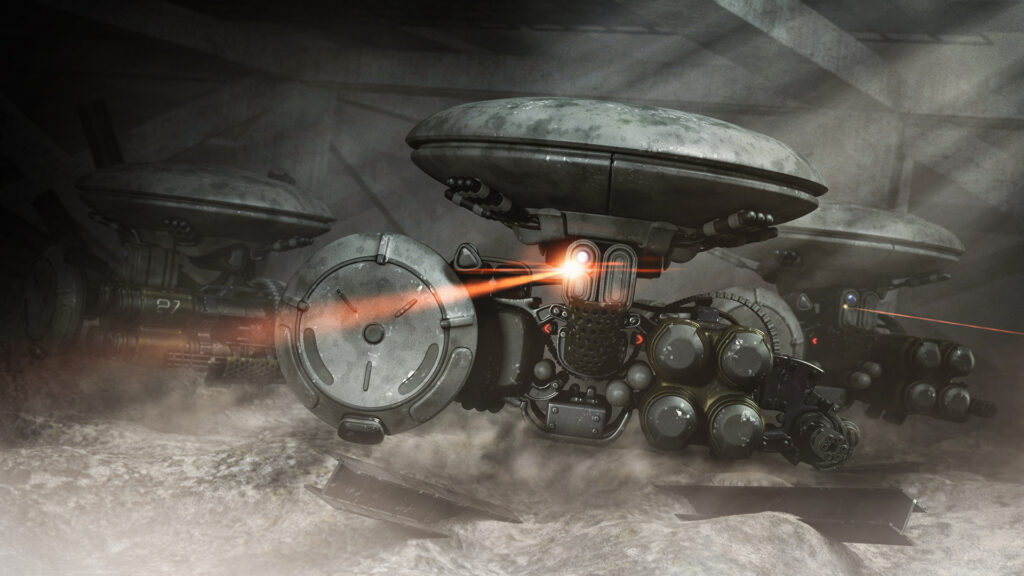
For the past three years, military conflicts have dominated our screens. Hypersonic missiles. Drone swarms. Wireframe battle tanks. Space-based interceptors. What was once the domain of science fiction has become the daily language of geopolitics.
And with it, a growing need: how do you explain the unexplainable to a general audience? How do you visualize a system that no journalist has ever seen up close, a weapon that travels faster than any camera can track, a conflict playing out at scales both planetary and microscopic?
That’s where scientific and technical illustration steps in.

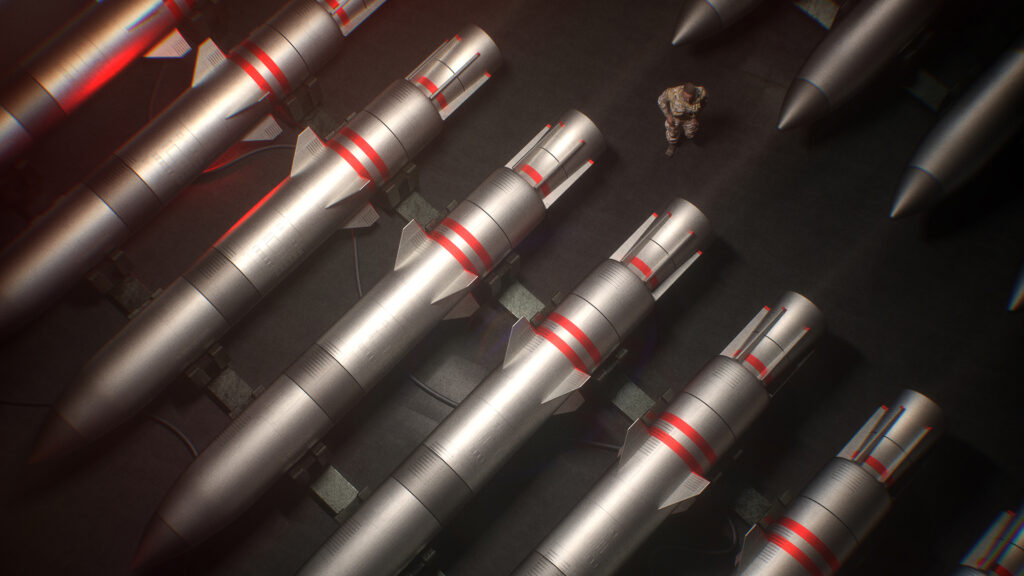

From editorial to defense communication
Over 25 years working for clients like Scientific American, the Wall Street Journal, Nike and Dior, I’ve learned that the most complex subjects — molecular biology, astrophysics, financial systems — become understandable the moment you give them the right visual form.
Defense is no different. Whether it’s a cross-section of a missile guidance system, an animated overview of layered air defense, or a conceptual render for an arms export campaign, the challenge is always the same: make the invisible visible, make the technical accessible, make the abstract real.
The market is moving fast
With France now the world’s second-largest arms exporter — driven by the global success of the Rafale — and defense budgets across Europe surging, the demand for high-quality defense visualization is accelerating. Think-tanks, media, manufacturers and agencies all need content that can compete in an attention-saturated environment.
If you work in defense communication, aerospace, or military media and need visual content that’s technically grounded and visually compelling —let’s talk.